We are on a collaborative journey to reach greater sustainability. We practice what we teach and explore developmental practices to reduce the environmental impact of creating art.
We promote the adoption of upcycled art practices and a commitment to creating green spaces to uplift spaces and lives. Supporting this environmental community allows us to continue our sustainable workshops that help create a thriving green ecosystem. We think out of the box to reach our creative green goals.
The Green Contemporary was founded on a radical belief: that art is not separate from ecology — it is ecology. Every bottle cap, every weathered board, every tangle of wire reclaimed from the urban flow carries the memory of its previous life. Our artists listen to those memories and reshape them into something transcendent.
We are more than a gallery. We are a living curriculum for sustainable futures — running workshops from community gardens in downtown cores to rural permaculture farms. Art is our language. The Earth is our canvas. Community is our medium.
Great art doesn't have to cost the Earth. Our supply chain is built on collaboration, not consumption.
In order to reduce the waste in creating art, we receive many of our supplies from our partners in the film industry — including the Directors Guild of Canada (DGC), IATSE Local 873, and Independent Filmmakers. After productions wrap, countless materials have no further use: discarded wood, industrial objects, used paint, lumber, hardware, textiles, props, and set dressings that would otherwise go straight to landfill.
This recycling partnership helps minimise production waste at scale, gives our artists a continuous supply of extraordinary materials, and dramatically cuts the cost of creating art — making our workshops and studios more accessible to people of every background and budget.
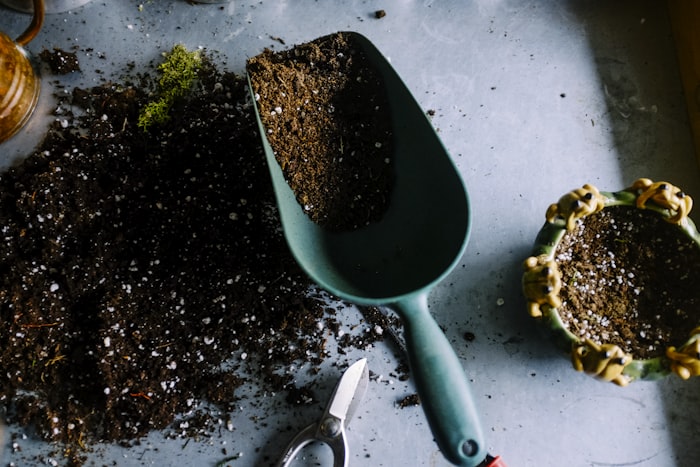
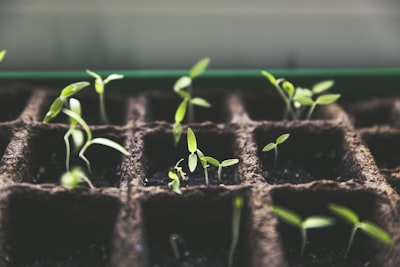
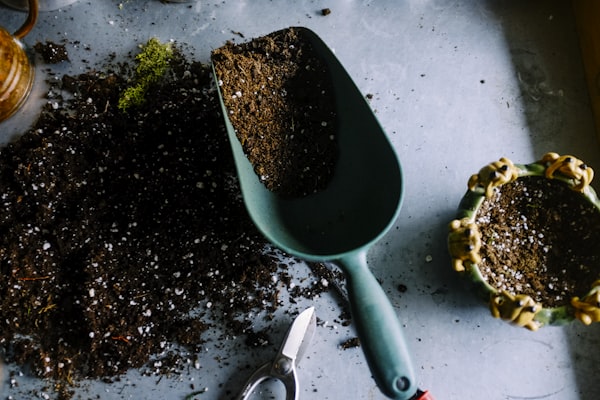
Our space also features a dedicated growing area where we cultivate native plants and vegetables, creating a symbiotic green learning environment. From seed to sculpture, everything here is part of the same closed loop.
Our programming model integrates artistic practice, ecological education, and community food systems into a unified curriculum for sustainable living.
Rotating exhibitions of found-object and eco-art hosted in our permanent gallery and touring to partner venues across Ontario and Quebec. Annual juried open call for emerging eco-artists. 30% of sale proceeds returned to environmental restoration.
Hands-on curriculum covering composting, greywater systems, solar basics, zero-waste households, and ethical consumption.
From balcony herb gardens to half-acre permaculture plots, we teach people to grow food wherever they are. Seasonal growing cycles, seed libraries, community kitchen tie-ins, and harvest festivals.
The Green Contemporary creates large-scale public artworks that transform urban and rural spaces — sculptures born entirely from reclaimed, recycled, and living materials that give back to the environment long after they are installed.
Our collective designs and fabricates large-scale public sculptures entirely from reclaimed and recycled materials — salvaged steel, reclaimed timber, discarded industrial components, and upcycled objects sourced through our film industry partnerships and community donation programmes.
These works are permanently installed in parks, transit corridors, schoolyards, plazas, and public buildings — turning overlooked urban spaces into sites of beauty, reflection, and community pride. Each sculpture carries a QR-coded artist statement explaining the origin of its materials, making every passerby a participant in the story of circularity.
We work with municipalities, developers, and community organizations to commission site-specific works that reflect the culture and ecology of each location. No two sculptures are alike — and none sends a single kilogram of material to landfill.
Among our most extraordinary works are our living public sculptures — large-scale three-dimensional forms grown entirely from moss, lichen, and other low-maintenance bryophytes. Installed on building facades, in public squares, and along transit infrastructure, these works are alive, growing, and actively improving the air around them.
Moss does not require soil, irrigation systems, fertiliser, or mowing. It draws moisture from the air, thrives on surfaces where conventional planting is impossible, and requires minimal maintenance once established — making it ideal for dense urban environments where green space is scarce and every square metre counts.
Our moss artists are trained in bryophyte cultivation and ecological design, working with a palette of dozens of native moss species to create textured, sculptural forms that shift colour and depth with the seasons — transforming grey concrete infrastructure into breathing, living artwork.
Moss absorbs carbon dioxide and sequesters carbon directly from the atmosphere. A single square metre of moss can absorb CO₂ at rates comparable to a young tree, without requiring soil or significant water. Living sculptures function as distributed carbon sinks embedded directly in urban infrastructure.
Moss captures particulate matter, heavy metals, and airborne pollutants directly from the air, acting as a natural biofilter. Studies show moss walls and sculptures can reduce local particulate matter concentrations by up to 30% — a critical benefit in high-traffic urban zones and near roads and transit hubs.
Living moss surfaces cool the surrounding air through evapotranspiration. In cities where concrete and asphalt absorb and radiate heat, moss sculptures provide natural cooling — measurably reducing surface temperatures and the urban heat island effect that drives energy costs and heat-related illness.
Moss has extraordinary water-retention properties, absorbing up to 20 times its own weight in moisture. Living sculptures installed on buildings and infrastructure help manage stormwater runoff, reducing strain on urban drainage systems and helping prevent the flooding events that are becoming more frequent with climate change.
Moss sculptures create microhabitats for invertebrates, insects, and small animals — stepping stones of biodiversity within the urban fabric. They support pollinators, provide refuge for beneficial insects, and connect fragmented green corridors across cities, contributing to broader ecological network restoration.
The dense, fibrous structure of moss naturally absorbs sound waves, reducing ambient noise levels in urban environments. Living moss sculptures installed on building facades and sound barriers provide measurable acoustic dampening — improving quality of life in noisy urban areas without the energy costs of mechanical noise reduction.
Exposure to living greenery in urban spaces is clinically linked to reduced stress, anxiety, and depression. Public living art sculptures make nature accessible to communities who may have limited access to parks or green space, democratising the mental health benefits of the natural world across all neighbourhoods.
Unlike conventional landscaping, moss requires no mowing, watering systems, chemical fertilisers, or pesticides. Once established, living moss sculptures are self-sustaining ecosystems that cost virtually nothing to maintain, producing no landscape waste and generating no carbon from maintenance machinery or irrigation.
Living public artworks become landmarks — distinctive, photo-worthy, and deeply tied to the identity of a neighbourhood. They spark curiosity and conversation, invite communities to gather and engage, and signal to residents and visitors alike that a place values both creativity and environmental stewardship.
From half-day studio sessions to week-long immersive retreats, our workshops blend artistic practice with ecological knowledge. World-renowned artists and growers appear as guest teachers throughout the year.
A full-day studio transforming discarded materials into finished sculptural works. Includes material sourcing walks, structural technique, surface treatment, and conceptual framing. All levels welcome.
Grow food on a balcony or small patio. Covers soil science, companion planting, vertical growing, microgreens, herbs, tomatoes, and seasonal succession. Starter kit and seed pack included.
Using plants foraged from local green spaces, participants learn the full natural dye process from mordanting through colour extraction and complete a dyed piece of fabric or yarn to take home.
Saturday series for ages 8–16 combining forest bathing, nature journaling, land art, foraging, and seed saving. Available as curriculum-linked field-trip programming for classes up to 10 students.
A 2-day residential retreat at a partner farm covering food production, fermentation, seasonal cooking, and agroforestry. Accommodation and farm-sourced meals included. Limited to 10 participants.
A bespoke half-day experience for corporate teams combining a collaborative found-object art build with a sustainability workshop tailored to your industry. Ideal for Corporate Social Responsibility programming and Environmental Social Governance narration.
Each season, The Green Contemporary welcomes internationally celebrated artists, growers, ecologists, and food sovereignty leaders to teach alongside our resident collective — intimate, hands-on masterclasses with people who have shaped their fields globally.
Join exceptional Artists leading 2 day intensive studios in land art, reclaimed material sculpture, and environmental installation.
Leading voices in regenerative agriculture, biodynamic farming, and Indigenous food systems.
World-renowned guest teachers appear throughout our seasonal calendar — typically 8 to 12 visiting faculty per year. All workshops are open to collective members and the public, with priority booking for workshop subscribers and investor tier members. Join our mailing list to secure a place before they sell out.
A financially sound, mission-driven investment in Canada's growing creative and sustainable economy.
Investing in The Green Contemporary is an investment in the cultural economy, ecological resilience, and community wellbeing — with measurable financial returns and meaningful social impact.
The sustainable art market grows at 12% annually. Canada's arts sector contributes $58B to GDP. Investors participate in revenue sharing from art sales, workshops, and licensing with projected ROI of 18–24% by year three.
The Green Contemporary qualifies as an impact investment under ESG frameworks. Investors receive an annual impact report measuring carbon diverted, community members reached, food production enabled, and biodiversity supported.
Founding investors receive prominent brand attribution across all gallery spaces, programs, and digital platforms. Co-branding on touring exhibitions reaching 40,000+ visitors annually by Year 2 offers exceptional media value.
Priority access to all works before public opening at pre-public prices. As our artists develop national and international profiles, early acquisitions represent compelling capital appreciation.
Alignment positions organizations favourably in government relations, tender applications, and community consultation processes — particularly in sectors subject to ESG scrutiny and green reporting requirements.
Join a curated network of environmentally conscious entrepreneurs, artists, landowners, educators, and civic leaders. Quarterly events include private exhibition previews and farm-to-table dinners at partner sites.
Our workshops serve as turn-key employee engagement and professional development for corporate investors. Discounted workshop access (up to 50 seats annually) included at Seedling and Grove tiers.
We operate under a hybrid non-profit social enterprise model with a six-person advisory board. Investors receive quarterly financials, an annual audited report, and board observer status at Canopy tier.
Three tiers of investment, each with a distinct set of benefits, recognition, and participation rights. Minimum 3-year commitment to align with our growth cycle.
The Green Contemporary proves that high art and nature belong together.